
Domain-Specific AI Systems
AI systems adapted to specialized business, research, agriculture, finance, operations, support, or document-heavy domains.
Applied AI Engineering
We build AI systems that adapt language, vision, and multimodal models to real business contexts, using fine-tuning, open-source model integration, dataset pipelines, evaluation, human validation, and production deployment.
Practical model adaptation
Most AI products do not need a foundation model trained from scratch. They need the right model strategy, the right data, the right evaluation process, and the right production architecture. Cognivox Labs helps teams adapt open-source and commercial AI models to specialized domains, combining language, vision, structured data, expert review, and deployment-ready software systems.
Applied AI systems
AI systems adapted to specialized business, research, agriculture, finance, operations, support, or document-heavy domains.
Fine-tuning, instruction tuning, continued pretraining, LoRA or QLoRA adaptation, prompt optimization, and domain-specific model behavior.
Image classification, object detection, visual inspection, disease detection, defect detection, image quality workflows, and visual decision support.
Systems that combine text, images, documents, metadata, location, and user context to support better decisions and richer workflows.
Expert validation dashboards, review queues, confidence thresholds, feedback loops, audit trails, and quality control for high-risk AI decisions.
Evaluation pipelines, benchmark datasets, model comparison, inference APIs, monitoring, cost optimization, and production deployment.
Language, vision, data, and operations
We adapt language models for specific domains using supervised fine-tuning, instruction tuning, continued pretraining, LoRA or QLoRA, prompt engineering, model evaluation, and inference deployment.
We build vision systems for classification, detection, visual inspection, field image analysis, document image understanding, and expert-assisted review workflows.
We connect language, images, documents, metadata, location, and structured data so AI systems can reason with more than one type of input.
We design dataset collection workflows, annotation guidelines, labeling processes, gold test sets, quality checks, benchmark datasets, and evaluation metrics.
We deploy models through inference APIs, background jobs, monitoring, logging, model versioning, feedback loops, retraining workflows, and cost-aware infrastructure.
Applied patterns
Image-based crop disease detection, field image collection, expert validation, advisory workflows, disease trend monitoring, and dashboards.
Detection of defects, anomalies, damage, quality issues, or visual patterns in operational, industrial, or field environments.
AI assistants adapted for specific industries, workflows, terminology, documents, and decision-support tasks.
Systems that process scanned documents, PDFs, forms, images, notes, and metadata together.
Tools for collecting data, labeling examples, validating model predictions, comparing model outputs, and building structured datasets.
AI systems that support multilingual explanation, translation, summarization, classification, and advisory workflows.
Good fit
Process
We identify the users, input data, expected outputs, business value, accuracy needs, risks, and human review requirements.
We define what data is needed, how it will be collected, labeled, cleaned, stored, and validated.
We evaluate open-source and commercial models, then choose the right path for integration, fine-tuning, continued pretraining, computer vision, or multimodal workflows.
We create test sets, quality metrics, model comparison workflows, expert review loops, and confidence thresholds.
We build inference APIs, dashboards, background jobs, storage, monitoring, and user-facing workflows around the model.
We use real usage data, expert corrections, model monitoring, and retraining workflows to improve the system over time.
Engineering stack
The model sits inside a wider system for data quality, expert review, inference, operations, and continuous evaluation.
Datasets, annotation records, labels, metadata, validation status, gold test sets, and versioned training data.
Open-source models, commercial AI APIs, fine-tuned LLMs, computer vision models, embedding models, multimodal models, and evaluation models.
User apps, expert dashboards, admin panels, review queues, feedback workflows, and reporting interfaces.
Model serving, inference APIs, batch processing, background workers, caching, logging, and cost controls.
Experiment tracking, model versioning, monitoring, evaluation reports, drift checks, retraining workflows, and deployment pipelines.
Selected AI work
Published work covering AI-assisted products, semantic systems, and operational AI workflows.
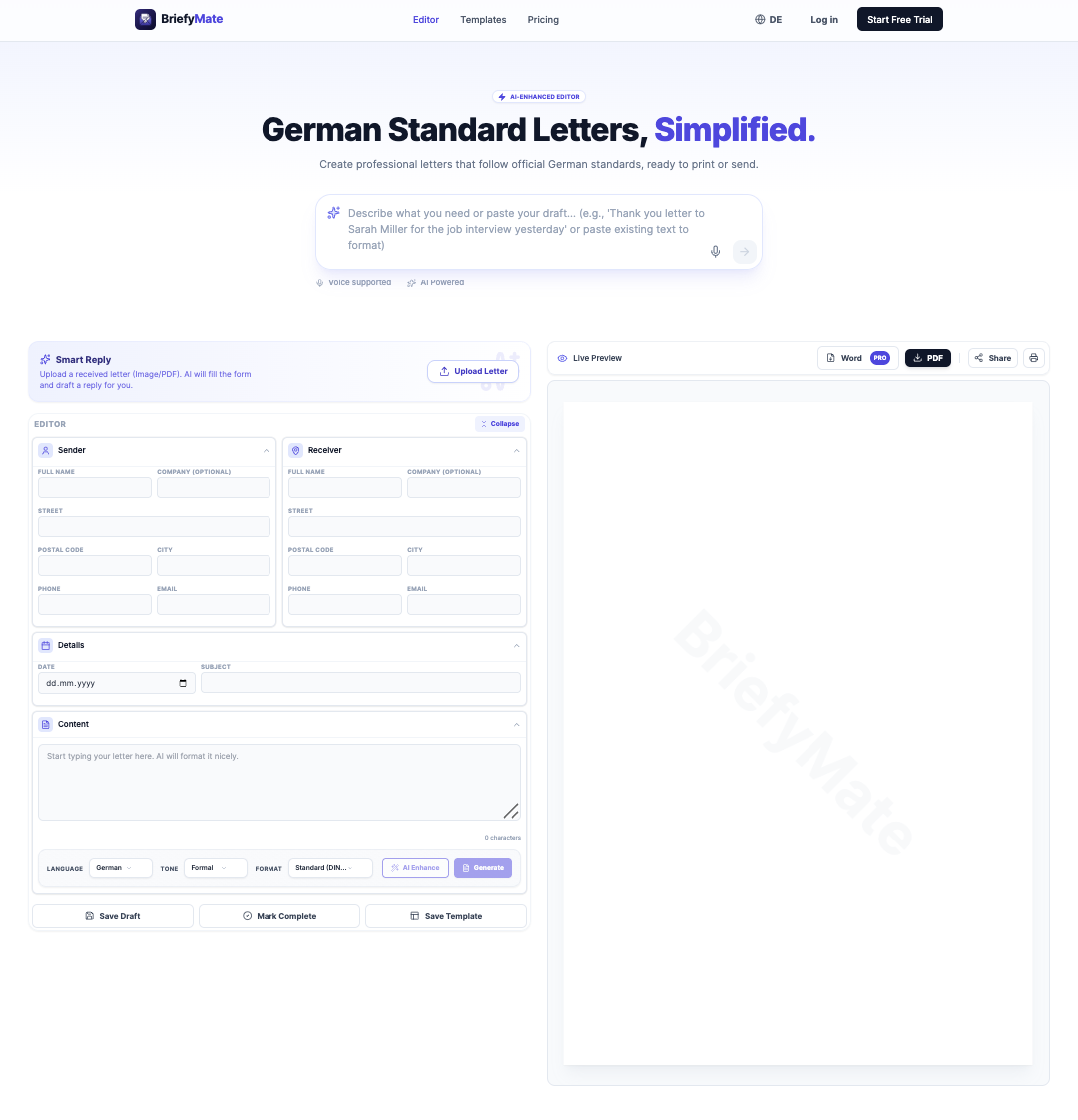
SaaS product · AI document automation · German market
BriefyMate is an AI-powered SaaS product that helps users create structured German standard letters more quickly, with a focus on practical document generation and a clean user experience.
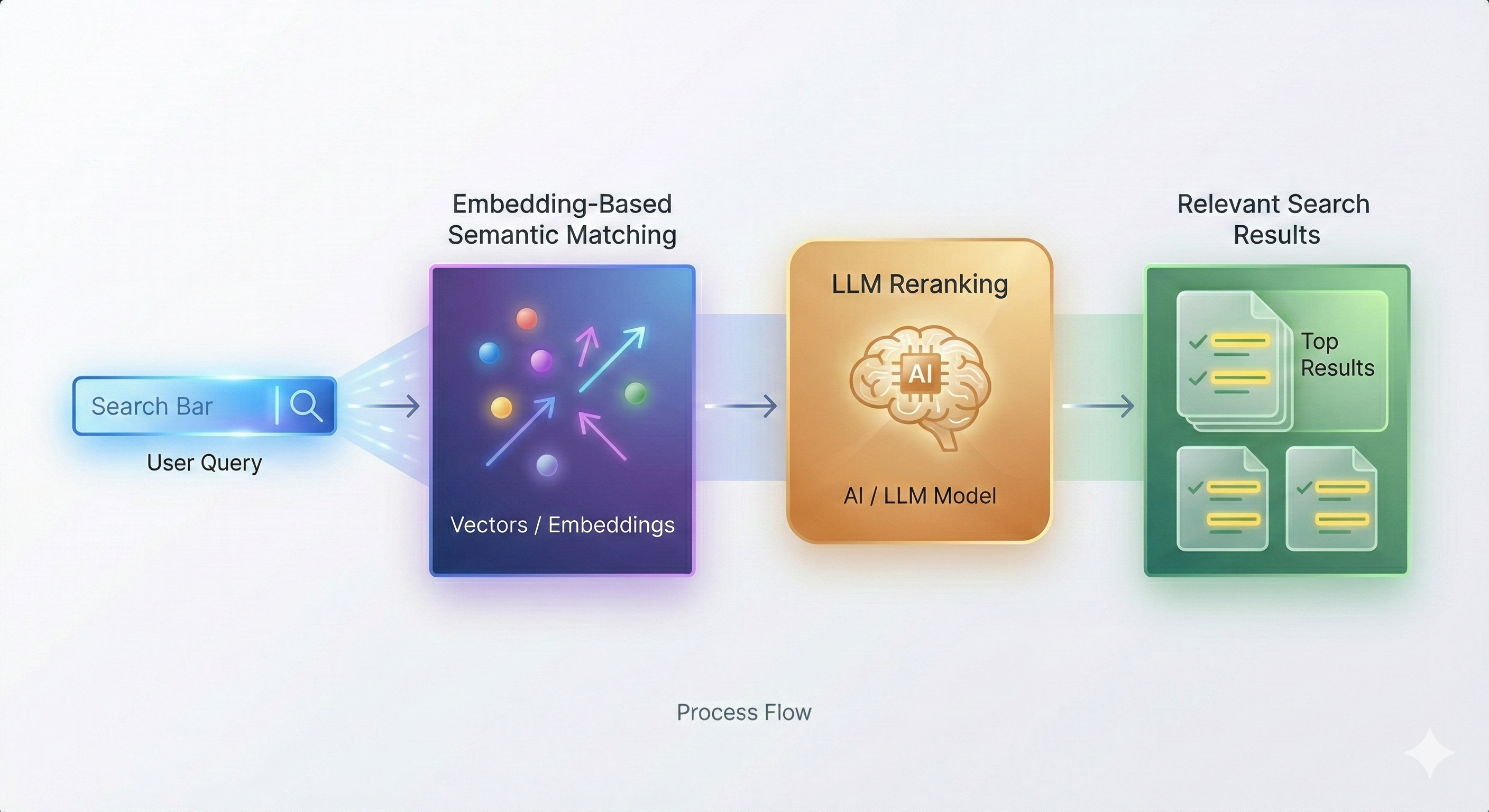
AI engineering · Backend integration · Production automation
How Cognivox Labs engineered a Python-based semantic matching system and integrated it into a Laravel production platform with automatic triggers, background workers, secure service communication, and zero-downtime deployment.
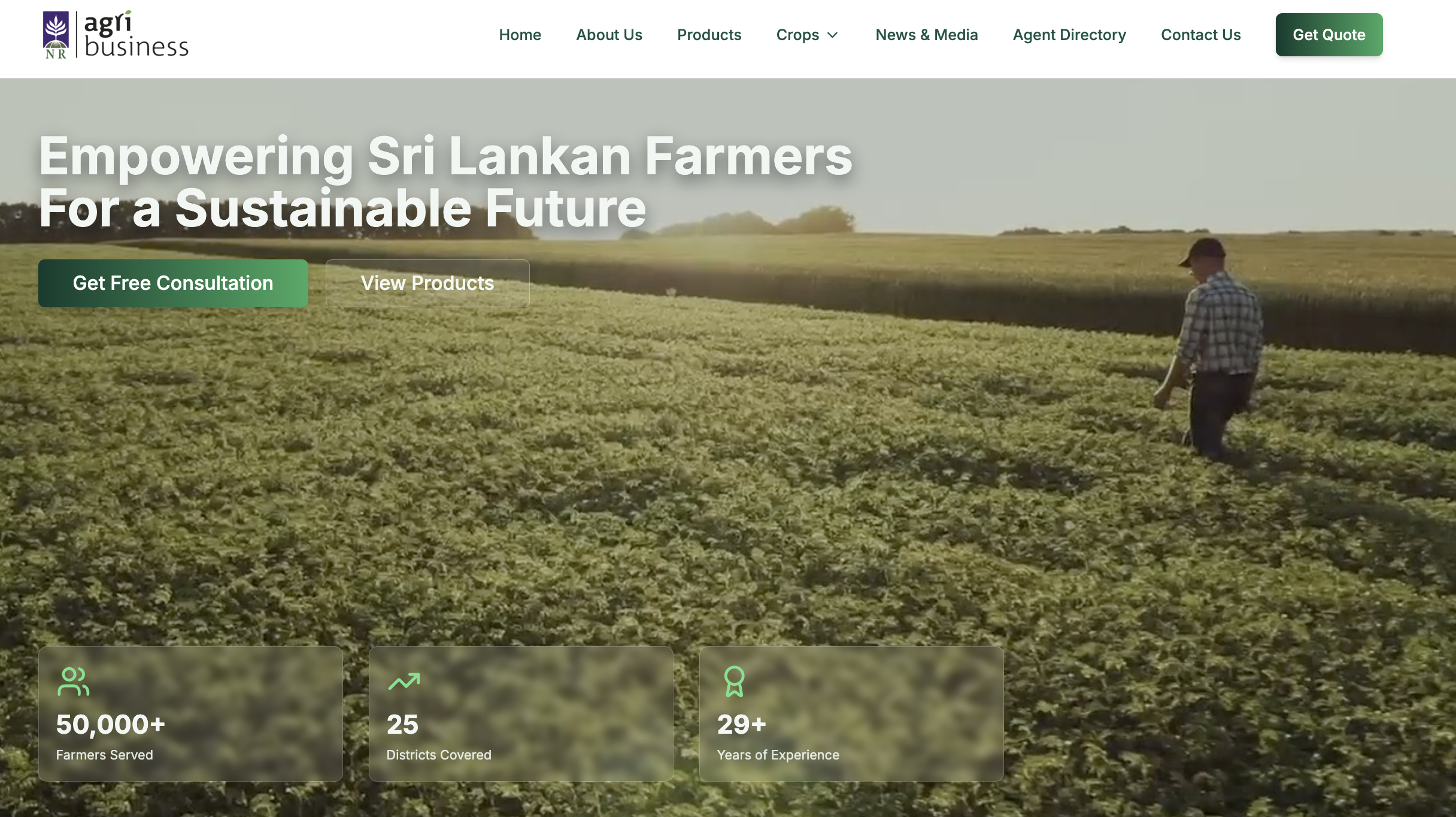
Agriculture · Fertilizer distribution · Digital transformation
Turning a mid-sized fertilizer company into a fully digital business ecosystem - website, AI chatbot, automation, and business operations in one unified system.
Applied AI foundations
For applied AI projects, the model is only one part of the system. A credible pilot also needs clear data governance, annotation quality, expert validation, evaluation metrics, deployment planning, and a path from prototype to operational use. Cognivox Labs designs AI systems with these foundations in mind from the beginning.
Let’s design the right model strategy, data pipeline, validation workflow, and production architecture from the beginning.